Best Outdoor Education Programs for College Students: A Real Field Guide
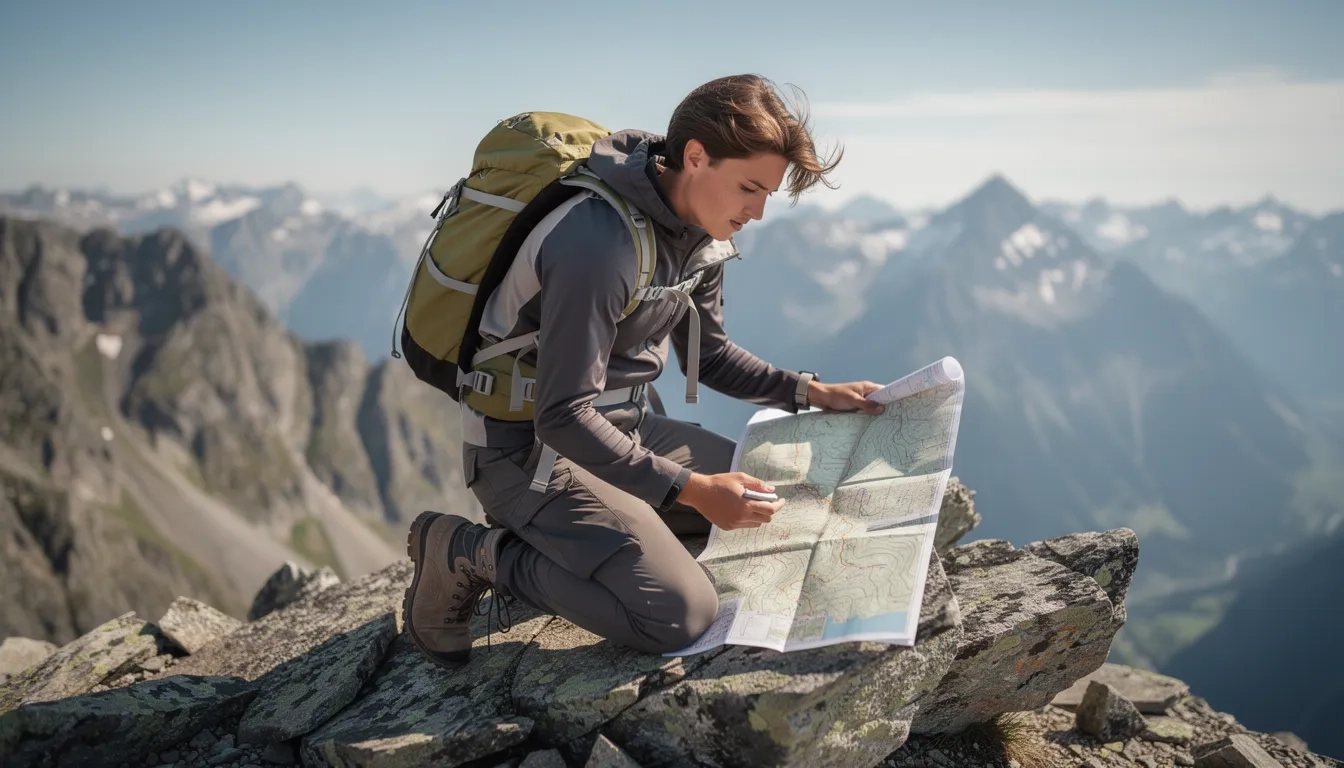
The outdoor recreation industry generated more than $1 trillion in economic output in 2023. Not in North America. Globally? No — just the United States. And yet most students who want careers outdoors still pick programs based on vibes and rankings lists that measure graduation rate, not job placement.
This is a practical guide. It covers which degree programs actually prepare you for the field, which semester programs give you expedition-level credentials without switching your major, and how to read between the lines when programs make bold claims about outcomes.
What Separates a Strong Program from a Weak One
Not all outdoor education degrees are created equal. Some are glorified recreation management tracks with a few camping trips bolted on. Others embed professional credentials directly into the curriculum and send students into real workplaces.
Three things predict whether a program is worth your time: accreditation by a recognized professional body, the certifications students earn before graduation, and documented internship placement. If a program can't answer those last two questions with specifics, move on.
Location is the fourth variable, and it matters more than program directors like to admit. A program in Gunnison, Colorado trains in real alpine terrain. A coastal program in New Hampshire teaches sea-kayaking and tidal ecology. Ask yourself which environment you want to work in, then find a program built inside that ecosystem.
Top University Degree Programs, Compared
Here's how the leading programs stack up across the factors that matter most:
| University | Location | Standout Feature | In-State Tuition (Approx.) |
|---|---|---|---|
| Vermont State University | Lyndon, VT | Only AMGA-accredited program in the U.S. | $11,088/yr |
| University of New Hampshire | Durham, NH | Oldest accredited program; 100% job placement reported | ~$18,000/yr |
| Western Colorado University | Gunnison, CO | Every student earns Wilderness First Responder cert | ~$10,000/yr |
| Northern Michigan University | Marquette, MI | NRPA-aligned curriculum, multiple outdoor specialties | ~$12,000/yr |
| Fort Lewis College | Durango, CO | Lowest avg student debt of any program ($15,303) | $7,600/yr |
| Prescott College | Prescott, AZ | Wilderness therapy focus; offers master's track | $27,503/yr |
| Paul Smith's College | Paul Smiths, NY | 14,000+ acres of campus forest; Adirondack immersion | ~$22,000/yr |
Vermont State University holds the only university degree program in the country currently accredited by the American Mountain Guides Association (AMGA) — covering rock climbing, ice climbing, alpine climbing, and backcountry skiing. That's not a marketing bullet point. AMGA credentials carry real weight when applying to guide companies, ski resorts, and expedition outfitters.
University of New Hampshire claims the nation's oldest continuously accredited outdoor leadership program, and they put something in writing that few programs will: 100% internship and job placement. Their Recreation Management and Policy major's outdoor leadership track is built around National Recreation and Park Association (NRPA) standards, which park agencies and municipalities actually recognize in hiring.
Western Colorado University takes a structural approach that deserves more attention. Every student in their outdoor leadership program graduates with a Wilderness First Responder certification. WFR is a minimum qualification for most guiding and expedition jobs. Earning it pre-graduation (rather than scrambling for a $700 weekend course afterward) is a concrete financial and logistical advantage.
Semester Programs: NOLS and Outward Bound
Some students don't want a four-year outdoor education degree. They're majoring in business, psychology, or environmental science but want serious field credentials on top. For them, semester immersion programs are the smarter play.
NOLS (the National Outdoor Leadership School) invented the outdoor semester in 1965. Since then, they've trained more than 280,000 students. Their 68-to-89-day programs take students through backpacking, rock climbing, paddling, and Wilderness First Aid across consecutive backcountry sections — two full months living outside.
"What I came away with wasn't just outdoor skills. It was the ability to manage conflict in a group under pressure — and that applies to every job I've had since." — NOLS semester alumna
The price is real: semester programs typically cost around $20,000. That said, many universities allow students to transfer NOLS credits, and the program has formal college credit partnerships with dozens of institutions. Doing a NOLS semester between sophomore and junior year is, in my opinion, one of the highest-value investments an undergraduate can make if they want outdoors experience on their resume regardless of major.
Outward Bound offers shorter formats — 8 days to a full semester — and skews more toward personal development than technical credential-building. Excellent for differentiation in non-outdoor careers. Less relevant if you're trying to get hired as a guide.
Certifications That Actually Move the Needle
A degree opens the door. Certifications determine whether employers call you back.
The outdoor job market runs on a surprisingly narrow set of credentials. Ranked by how often they appear in job postings:
- Wilderness First Responder (WFR) — 70 to 80 hours of training. The baseline for anyone leading groups into remote terrain. Offered by NOLS, Wilderness Medical Associates, and Wilderness Medicine Institute.
- Leave No Trace (LNT) Master Educator — Required by most land-management agencies and conservation employers. A two-day course that signals you understand minimum-impact protocols at a professional level.
- American Canoe Association (ACA) certifications — The standard credential for paddling program roles. If you're applying to a river outfitter or summer camp with a waterfront, ACA matters more than your GPA.
- AMGA rock or alpine credentials — Table stakes for technical guiding. Earning even the entry-level Rock Guide certification sets you apart sharply from applicants who only have coursework.
- AIARE avalanche certifications — Level 1 is standard for any winter mountain work; ski patrol, backcountry guide, or hut-to-hut operation.
The mistake most students make is treating certifications as a post-graduation project. Programs like Vermont State and Western Colorado embed them into their curriculum. Students who graduate with WFR already done are six months ahead of peers who have to find and fund the training afterward.
Career Paths and What They Actually Pay
The salary ranges in outdoor education vary widely — and the field is honest about this in a way that corporate recruiting tends not to be. Here's what the U.S. Bureau of Labor Statistics reported for 2023:
| Career Path | Median Annual Salary | Job Growth (2023–2033) |
|---|---|---|
| Environmental Educator | $88,410 | 4% |
| Camp Director | $73,460 | 11% |
| Forester / Conservation Officer | $67,330 | 5% |
| Adventure Guide / Trip Leader | $36,060 | 3% |
| Outdoor Education Instructor | $34,410 | 5% |
Camp directors have the strongest growth projection at 11%, driven by expanding youth programming and corporate retreat markets. Students who pair outdoor education coursework with nonprofit management or business skills tend to reach director-level roles faster.
The honest reality about outdoor guiding: it pays modestly and is often seasonal. Experienced guides frequently piece together summer river work, fall hunting trips, and winter ski instructing to land somewhere between $45,000 and $55,000 annually. That patchwork works well for some people. But if you want a consistent salary with benefits, environmental education or park administration is the more direct route.
Environmental educators at the top of that chart — earning $88,410 — typically work in formal institutional settings: nature centers, school districts, science museums, and federal agency education programs. They often have bachelor's degrees in environmental science or education in addition to field credentials. The salary difference between "outdoor instructor" and "environmental educator" is often a graduate certificate or second undergraduate concentration.
How to Choose Based on Your Actual Goals
Choosing a program is a decision tree, not a prestige ranking. Here's how to navigate it:
You want to guide technically (alpine climbing, whitewater, backcountry skiing): Vermont State's AMGA accreditation and Prescott College's expedition leadership emphasis are your two serious options. These programs take technical skill seriously at the institutional level.
You want to work for parks, agencies, or large nonprofits: UNH and Northern Michigan both align with NRPA standards, which is the association park department hiring managers actually know. Fort Lewis in Durango — with its $7,600 in-state tuition and proximity to Mesa Verde, the Weminuche Wilderness, and the Animas River — is worth serious consideration if budget is a constraint.
You want resort or hospitality management: Vermont State's Mountain Resort Management concentration is one of the few programs in the country designed specifically for that track. Their internship placements at Stowe Mountain Resort, Park City, and Jackson Hole speak directly to that pipeline.
You're not switching your major: Do a NOLS semester. The skills transfer to most careers. Many colleges accept the credits. And it's the kind of thing that comes up in interviews for the next decade.
Before applying to any program, ask these four questions directly:
- What percentage of graduates work in outdoor fields within two years of graduation?
- Which certifications do students earn as part of the program?
- Where did the last three cohorts of interns go?
- Is the program accredited by the NRPA, AMGA, or another recognized professional body?
Programs that hedge on the first question — "many of our graduates" language with no numbers attached — probably don't have numbers worth sharing.
Bottom Line
Outdoor education is a real field with real career tracks, and the $1 trillion outdoor recreation economy has room for instructors, administrators, park managers, guides, and environmental educators at every experience level.
- For a degree, prioritize programs with professional accreditation, built-in certification pathways, and documented internship placement. Vermont State, UNH, and Western Colorado clear all three bars. Fort Lewis offers comparable outcomes at a fraction of the cost.
- For credentials without a degree switch, a NOLS semester is the single highest-value wilderness credential you can earn as an undergraduate. It costs money, but so does mediocre work experience.
- Start certifications early. WFR, LNT, and ACA credentials take time and money. Programs that fold them into tuition are better value than programs that leave them to you.
Know which terrain you want to work in. Then find the program that lives there.
Frequently Asked Questions
Is outdoor education a practical degree for finding a job after graduation?
It depends heavily on the program and your target role. UNH reports 100% job and internship placement. Vermont State's alumni land at Yellowstone, Park City, and Jackson Hole. But "outdoor education" is a wide field — camp directors and environmental educators earn substantially more than entry-level guides, and different programs prepare you for very different paths.
Can outdoor education skills transfer to careers outside the outdoors?
More than people expect. Risk management, group facilitation, first aid, and curriculum design are competencies that translate into healthcare, corporate training, social work, and nonprofit management. Students who graduate with WFR certification often find it attractive to emergency services employers who appreciate backcountry medical training.
What is the difference between a NOLS semester and an outdoor education degree?
NOLS is a field school focused on wilderness skills and expedition leadership. A university degree covers curriculum design, program administration, environmental science, and professional credentialing alongside field skills. NOLS is not a substitute for a degree, but a NOLS semester meaningfully complements any undergraduate program and stands alone as a credential on a resume.
Do you need a master's degree to advance in outdoor education careers?
Not for most roles. A bachelor's plus strong field certifications and experience is the standard hiring threshold. A master's helps specifically in formal environmental education (schools, museums, federal agencies), research positions, or director tracks at large organizations. The University of Colorado Boulder offers an MS in Outdoor Recreation Economy, available fully online, for students targeting policy and economic development roles.
Why does Wilderness First Responder certification matter so much?
WFR trains people to provide emergency medical care when evacuation can take 24 hours or more. The 70-to-80-hour course covers patient assessment, wound management, improvised rescue, and backcountry-specific protocols that standard first aid training doesn't address. Nearly every outdoor education and guiding employer lists WFR as a minimum hiring requirement. Having it before graduation puts you ahead of most applicants.
Sources
- Vermont State University - Outdoor Education, Leadership & Tourism B.S.
- University of New Hampshire - Recreation Management and Policy: Outdoor Leadership and Management
- NOLS - Semester and Year Programs
- New England College - What Can You Do with an Outdoor Education Degree?
- Campus Reel - 2025 Best Outdoor Education Programs in America
- Western Colorado University - Outdoor Leadership Degree Program